
Sorting technologies
Depending on the product specifications and the required speed and throughput of the sorter, several mechanical sorting technologies can be distinguished. They differ not only in appearance, but above all in the method of directing items to specific destinations. In addition to mechanical differences, there are also several ways of identifying parcels, e.g., by barcode scanning, RFID, vision systems, etc. Below are a few of the most popular examples of automatic sorting technologies:
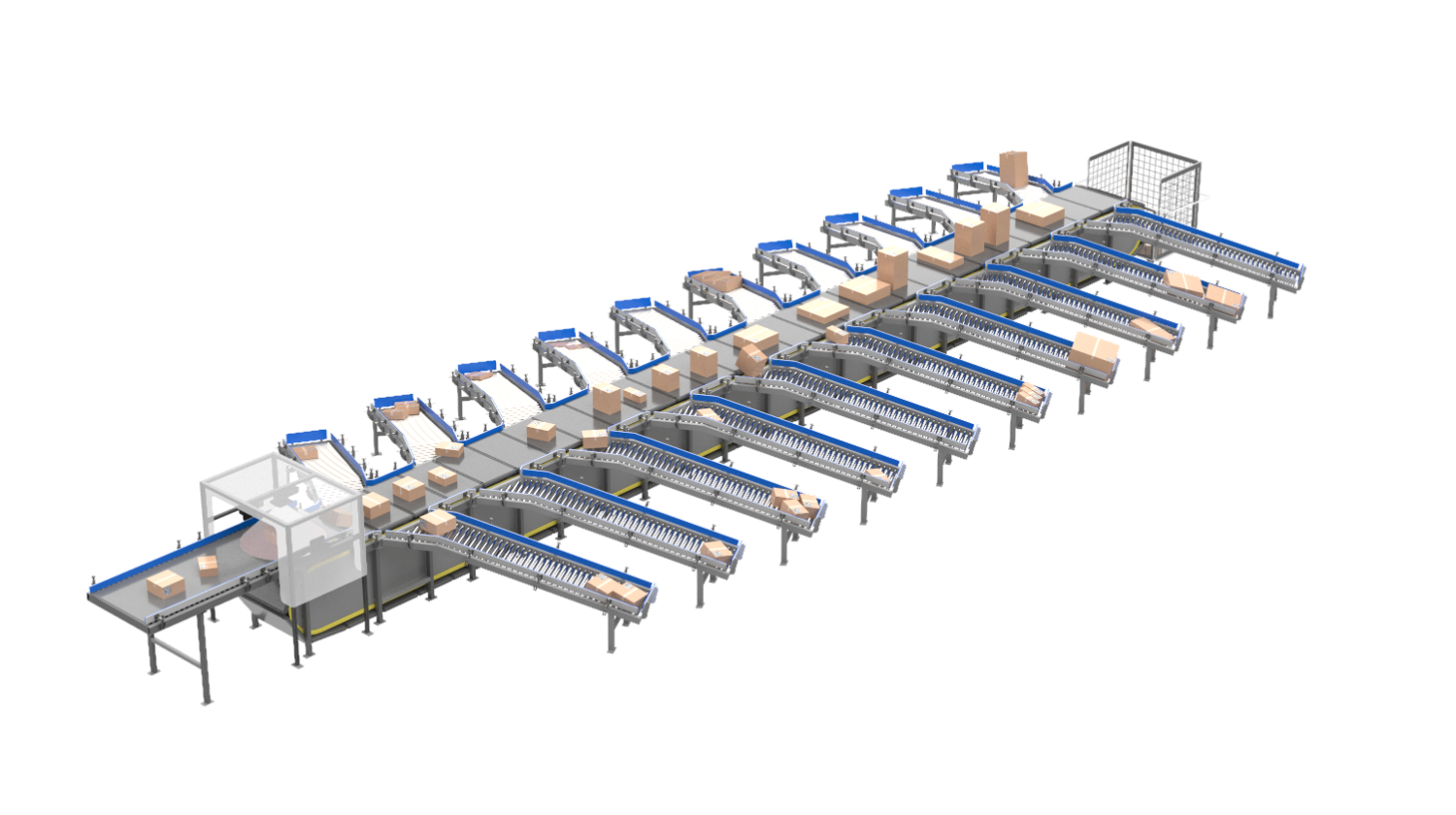
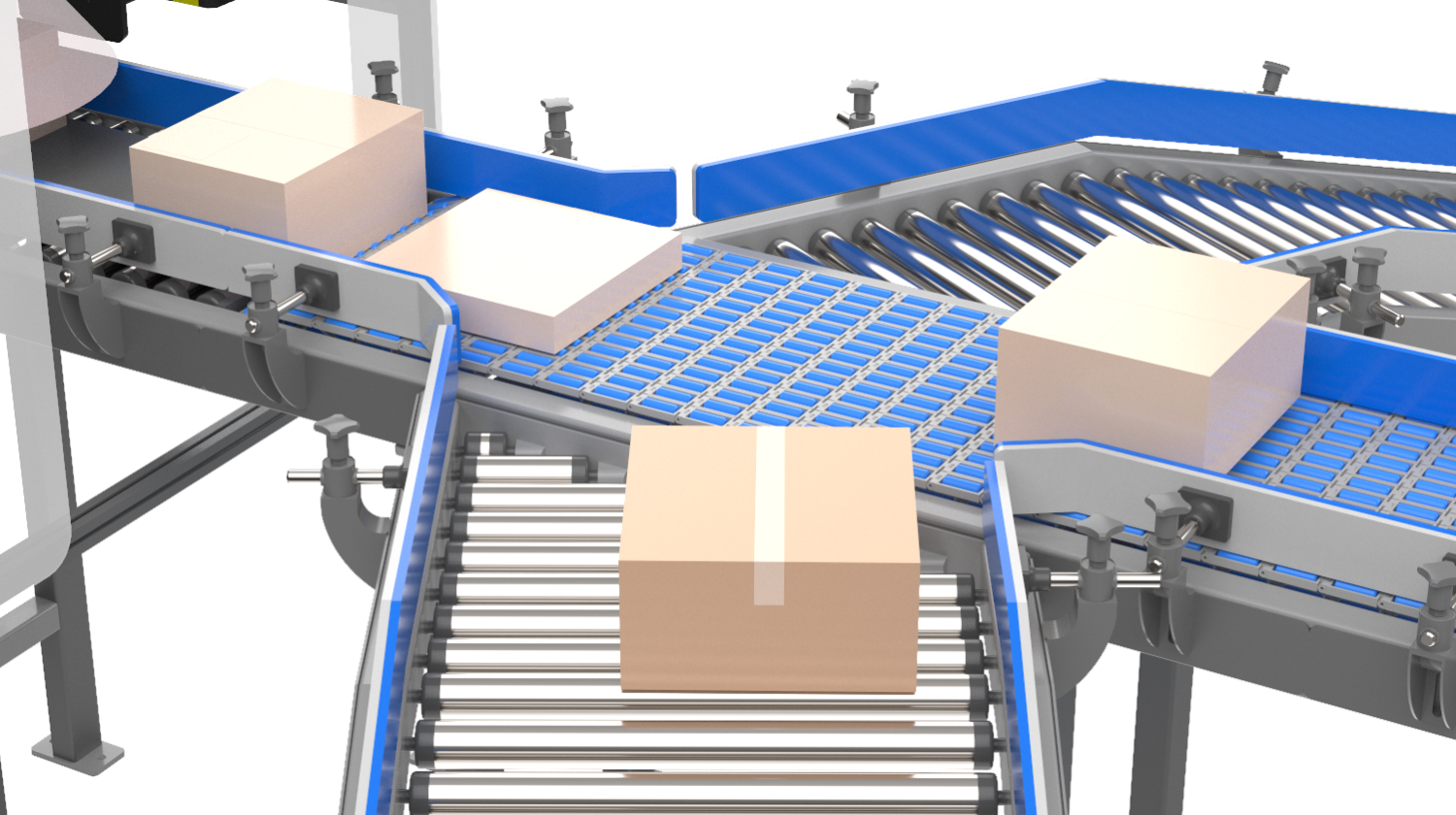
ARB Sorter
A sorter equipped with a special belt that enables gentle transport of goods and directs them to specific destinations. A simple and economical sorting method. The sorter can handle medium performance levels without issues – throughput up to 8,000 pcs/h.
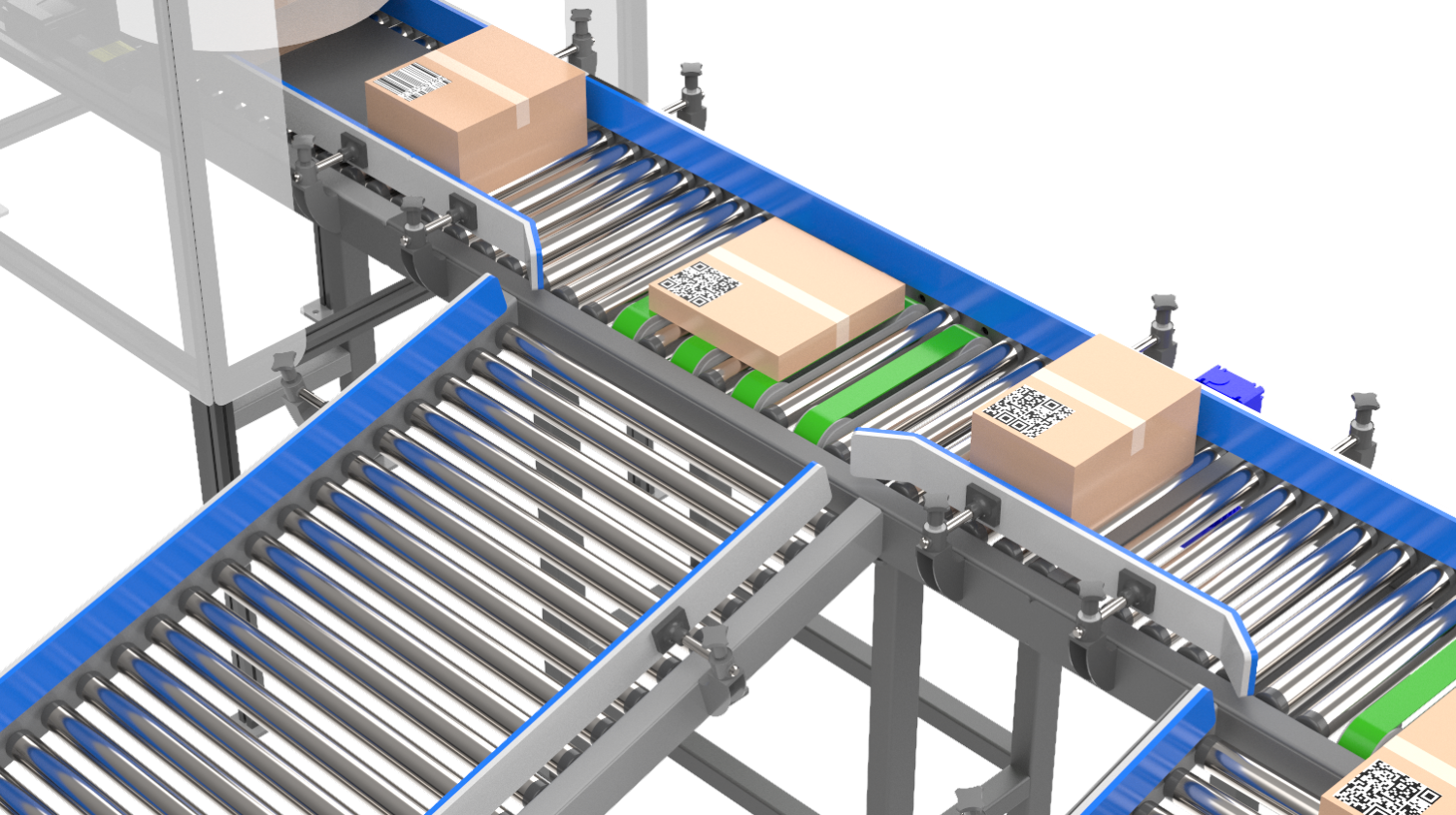
Pop-Up Sorter
A set of rollers/wheels rises at the moment an item reaches the diversion point and transfers the product at an angle of 30–90 degrees onto a side conveyor. Simple distribution into several directions, typical throughput up to approx. 1,200 pcs/h. Intended for handling small items of similar dimensions.
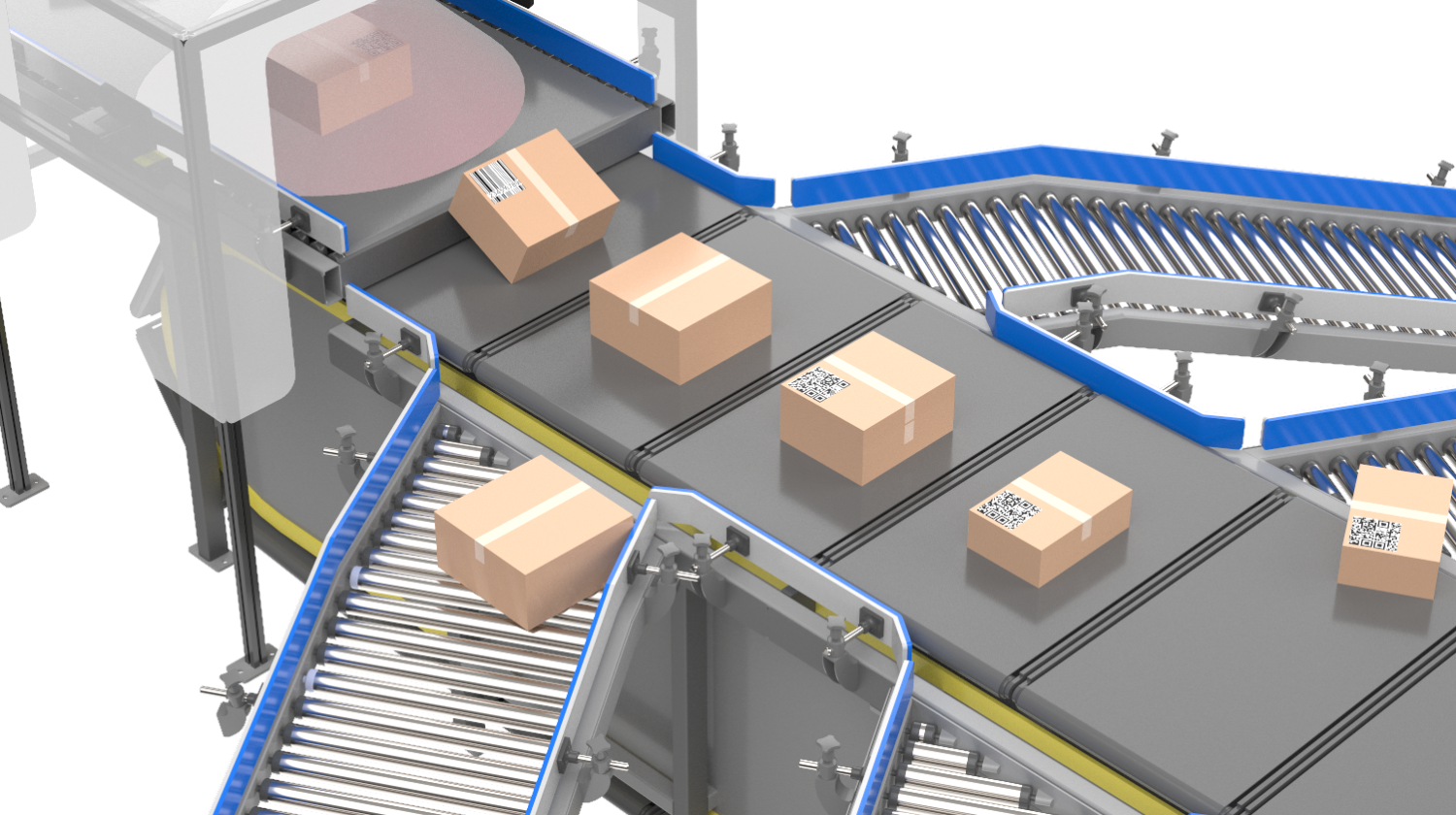
Cross-Belt Sorter
Each carrier has a small transverse belt; when a parcel reaches the correct discharge point, the belt starts and places it to the side. Cross-belt systems offer very high productivity, accuracy, gentle handling of goods, and the ability to handle many item sizes. High throughput – typically 6,000 to 12,000 parcels/h.
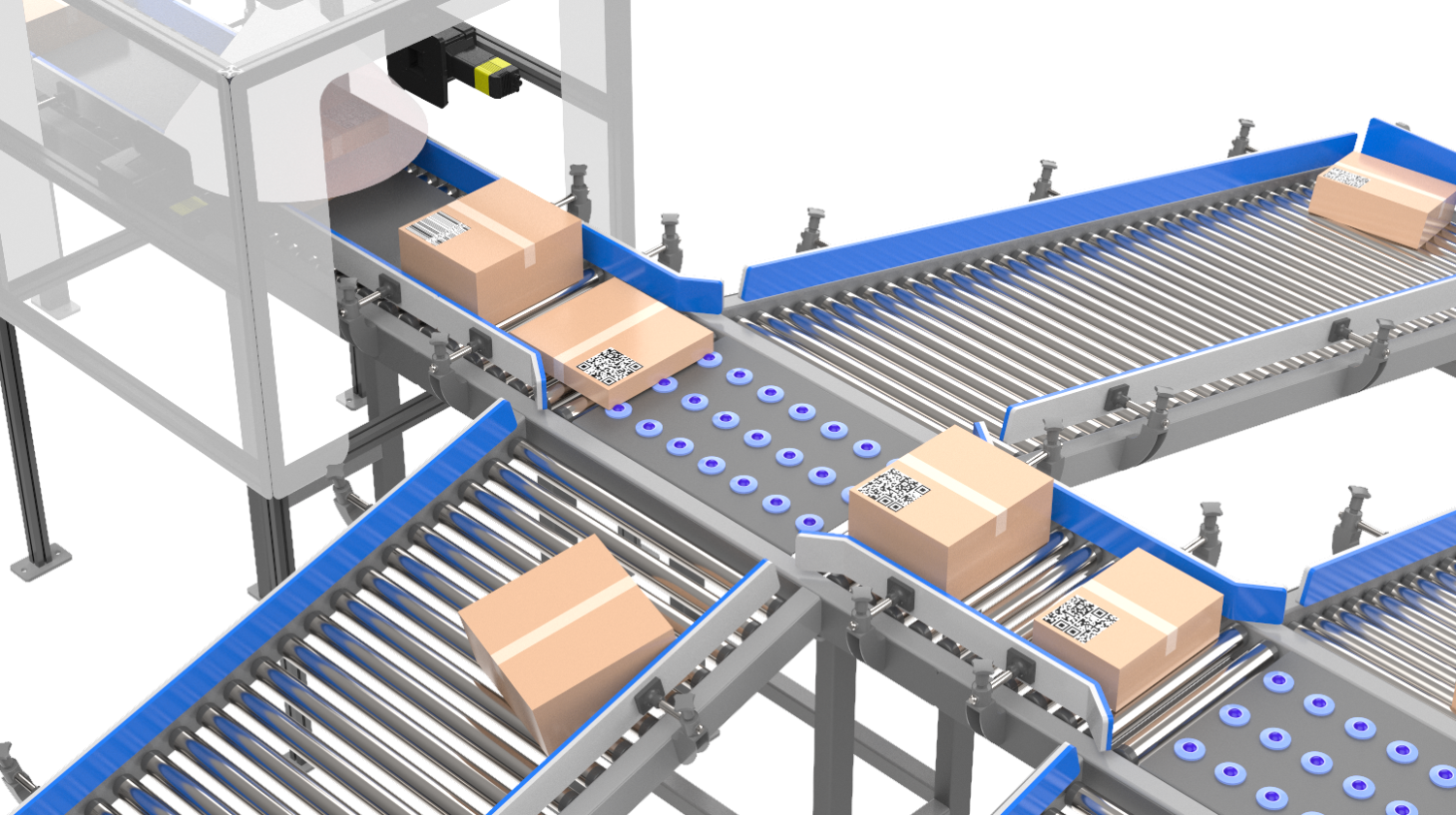
Ball Transfer Sorter
The conveyor is fitted with ball rollers that can change the direction of the movement vector. As a result, goods not only move forward but can be smoothly transferred to the left or right lane. Designed for transporting delicate goods and handling various types of packaging. Modular design and easy expandability. Throughput usually ranges from 2,000 to 4,000 packages per hour.